
Planning & Coordination · Denver
Full Wedding Planning vs. Day-of Coordination: What’s the Difference?
September 2026 · 7 min read
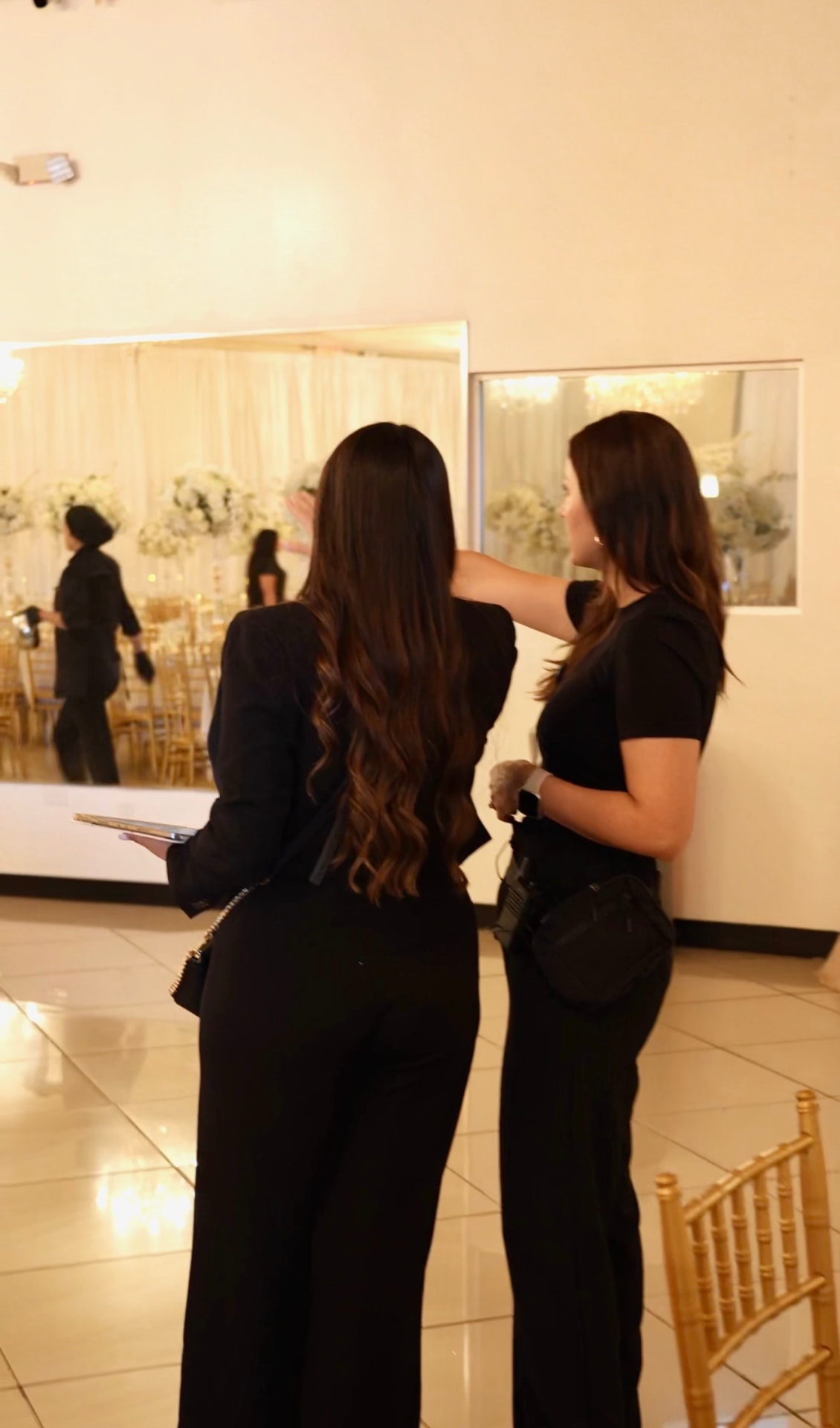
One of the most common questions couples ask when planning a wedding is whether they need full wedding planning or simply a coordinator for the wedding day.
Both services can provide valuable support, but they are designed for very different stages of the planning process.
The biggest difference isn’t simply how early the planner becomes involved — it’s how much of the wedding planning process, decisions, vendors, logistics, priorities, and details the planner understands before the wedding day.
If you’re planning a wedding in Denver or elsewhere in Colorado, understanding that difference can help you decide what level of support makes the most sense for your celebration.
What Is Full Wedding Planning?
Full wedding planning means having a professional involved throughout the planning process, not just during the final weeks before the wedding.
Depending on the couple and the wedding, this may include support with:
- Venue selection
- Budget planning
- Vendor recommendations
- Vendor communication
- Reviewing contracts and proposals
- Wedding design and overall aesthetic
- Floor plans and guest flow
- Rental selections
- Floral and decor coordination
- Planning meetings
- Wedding timeline development
- Ceremony and reception logistics
- Vendor arrival and setup schedules
- Final details
- Wedding day coordination
The planner becomes familiar with the wedding as it develops.
Instead of learning all of the details shortly before the event, the planner has been part of many of the decisions that created the wedding in the first place.
Why Does That Continuity Matter?
One of the biggest advantages of full wedding planning is continuity.
Throughout the planning process, there are dozens — sometimes hundreds — of small decisions that ultimately affect the wedding day.
A planner who has been involved throughout the process may already understand:
- Why certain vendors were selected
- What is most important to the couple
- Which details have changed throughout planning
- The priorities behind the wedding design
- Important family dynamics or considerations
- Venue restrictions
- Vendor requirements
- The reasoning behind the timeline
- What has already been discussed or approved
That knowledge can make the transition from planning to wedding-day execution much more seamless.
There is less information to transfer because the planner has already been part of the process.
What Is Day-of Wedding Coordination?
Despite the name, professional day-of coordination usually begins before the actual wedding day.
A wedding coordinator typically steps into the process during the final weeks before the wedding after the couple has completed most of the planning themselves.
The coordinator’s role is to gather the information that has already been established and organize it into a plan for the wedding day.
This may include:
- Reviewing existing vendor information
- Confirming logistics
- Creating or refining the wedding-day timeline
- Communicating final details with vendors
- Coordinating the rehearsal
- Managing vendor arrivals
- Overseeing setup
- Keeping the wedding day on schedule
- Helping manage transitions throughout the event
- Troubleshooting logistical issues
- Coordinating breakdown or final responsibilities
For couples who enjoy planning and feel comfortable managing vendors, contracts, decisions, and design themselves, coordination can provide the professional support needed to bring everything together at the end.
Full Wedding Planning vs. Day-of Coordination
The easiest way to understand the difference is to think about when the professional becomes part of the wedding.
With full wedding planning, the planner helps build the wedding with you.
With coordination, the couple builds the wedding and then brings in a professional to help execute the plans they have already made.
Neither option is automatically right for every couple.
The right level of support depends on how involved you want to be in planning, how much time you have available, the complexity of your wedding, and how much professional guidance you want throughout the process.
Full Wedding Planning May Be a Good Fit If…
Full wedding planning may make sense if:
- You want professional guidance from the beginning
- You are unsure where to start
- You have limited time to dedicate to wedding planning
- You want help finding and communicating with vendors
- You want support managing your wedding budget
- Your wedding has multiple vendors or complicated logistics
- You want professional help developing a cohesive design
- You are planning from outside Colorado
- You prefer having one professional who understands the entire wedding from beginning to end
Full planning can also be particularly helpful for larger weddings, multi-location celebrations, destination weddings, or events with extensive design and production requirements.
Day-of Coordination May Be a Good Fit If…
Wedding coordination may be the right fit if:
- You genuinely enjoy planning your wedding
- You already have your venue and vendors selected
- You are comfortable communicating directly with vendors
- You are managing your own budget and contracts
- Your design decisions are already established
- Most major planning decisions will be completed before the coordinator becomes involved
- You mainly want professional support for final logistics and wedding-day execution
The goal of coordination is not to replace the planning you have already done.
It is to help organize those plans and give you professional support as the wedding approaches.
What About Partial Wedding Planning?
Some couples fall somewhere between full planning and coordination.
You may have already selected your venue and a few vendors but realize you would like more professional support for the remaining planning process.
That is where partial wedding planning can be helpful.
Partial planning can provide guidance with specific areas of the wedding while allowing the couple to remain involved in the parts they prefer to manage themselves.
At Sanrey, the right level of support depends on where you are in the planning process and what has already been completed. You can explore our wedding planning and coordination services to see how each option works.
Planning a Wedding in Denver or Colorado
Colorado weddings can introduce logistical considerations that couples may not initially expect.
Venue access times, mountain travel, weather changes, vendor transportation, rental logistics, outdoor ceremony backup plans, setup restrictions, and seasonal conditions can all influence the wedding timeline.
For couples planning from outside Colorado, having a Denver wedding planner who understands the local event environment can also make vendor communication and logistics easier to navigate.
Whether you choose full planning or coordination, having a clear plan before the wedding day is one of the most important parts of creating a smooth experience.
So, Which Wedding Planning Service Do You Need?
Start by asking yourself:
Do I want someone to help me PLAN the wedding, or do I primarily need someone to help me EXECUTE the wedding I have already planned?
If you want guidance with vendors, budget, logistics, design, decisions, and the overall planning process, full wedding planning may provide the level of support you are looking for.
If you enjoy planning independently and mainly want a professional to organize the final logistics and manage the wedding day, coordination may be enough.
And if you are somewhere in between, partial planning may provide the flexibility you need.
Wedding Planning & Coordination with Sanrey
At Sanrey, we believe wedding planning should feel intentional, organized, and personal to each couple.
Our Planning & Design services are designed to meet couples at different stages of the planning process — whether you are beginning with an idea or already have most of your wedding planned.
Based in Denver, Colorado, Sanrey provides wedding planning, coordination, and event design for celebrations throughout Colorado.
Frequently Asked Questions
What is the difference between a wedding planner and a wedding coordinator?
A wedding planner is typically involved throughout more of the planning process and may assist with vendors, budget, design, logistics, and overall wedding development. A wedding coordinator usually becomes involved closer to the wedding to organize the plans already created and manage final logistics and wedding-day execution.
When should I hire a wedding planner?
Couples often hire a wedding planner early in the planning process, especially if they want assistance with venue selection, budgeting, vendors, design, or overall planning strategy. The exact timing depends on the wedding and the level of support needed.
When does a day-of wedding coordinator start working?
Although the service is commonly called “day-of coordination,” professional coordination typically begins before the wedding day. This gives the coordinator time to review vendor information, understand the timeline, confirm logistics, and prepare for the event.
Do I need a wedding planner if my venue has a venue coordinator?
Venue coordinators and wedding planners typically have different responsibilities. A venue coordinator primarily focuses on the venue and its operations, while a wedding planner or coordinator focuses more broadly on the couple, vendors, timeline, and overall wedding logistics. Responsibilities can vary by venue, so couples should review exactly what their venue provides.
Can I hire a wedding planner if I already started planning?
Yes. Couples who have already completed part of the planning process may consider partial wedding planning or another customized level of support, depending on what has already been completed and what assistance is still needed.
Ready to begin?